
We are sharing the five most common policy mistakes sellers make without even realizing it, along with practical solutions to keep your account safe.
1. Using Supplier Images or Copyrighted Photos
Sellers select brand images from their websites and use those images to list their items; we strongly dislike this practice. Always create your own unique content for your listing, even if your supplier allows you to use their images, because Amazon has its own parameters and policies, which can lead you into trouble. One of the primary reasons for intellectual property violations is the usage of random text, image, or wordmark in a listing. Absolutely! Using photos from the brand website, Alibaba, or the manufacturer can easily trigger copyright and intellectual property violations. Amazon’s automated systems detect duplicate content like text and images across the platform, which leads to immediate listing removal or account suspension.
Solution: Always use original photos taken by you or hire a professional photographer to take your desired product pictures. Alternatively, use AI-generated product images specifically created for your listings. Never copy images from other sellers or suppliers, even with permission.
2. Adding Brand Names in Keywords or Backend Search Terms
Many sellers use a ranking technique of using their competing brand’s names in their keywords or backend search terms to improve their product ranking. While this might seem easy and a smart SEO tactic, it may also work for a few sellers, whereas in the long term, it is an Amazon policy violation. Amazon robots find this activity to be a wordmark misuse and trademark infringement; Hence, the violation of intellectual property violation leads to listing suppression or account suspension.
Solution: We recommend using generic, non-branded keywords that best describe your product’s features, benefits, and usage examples. It is better to explain your product benefits, like what your product does, rather than comparing your product with any other established brand.
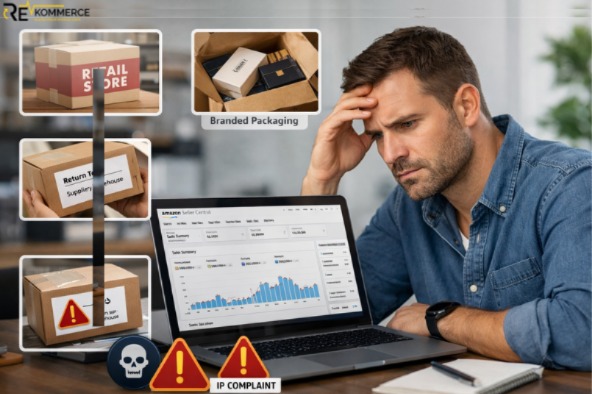
3. Listing Restricted or Gated Products
Amazon categorize items in two categories as one category is easily available to list on the account, whereas the items which include a sensitive ingredient or an established brand’s items are categorized as Gated (sellers need approval to list items) items. The categories like beauty, supplements, electronics, toys, and grocery items normally require specific approvals to list these items on Amazon. Sellers who try to list the gated or restricted items on the account without preapproval from Amazon gets immediate policy flags and potential suspension.
Solution: A proactive seller always checks the category and brand restrictions of an item before listing it on Amazon. We recommend to arrange the required documents, as per Amazon policy, and sending the documents to the Amazon team for approval through Amazon Seller Central. Once you get the approval from the relevant team then you can source the items from the supplier and list the items in gated categories.
4. Incomplete or Invalid Invoices
Sellers who do not understand the Amazon guidelines of a valid invoice normally keep submitting the invalid invoices to Amazon. Invalid or incomplete invoices are one of the primary reasons that convert a policy notification to account suspension. Amazon’s system first checks basic parameters of each invoice, and it instantly rejects invoices that don’t meet Amazon authentication standards. As per our experience, the following are basic reasons why the Amazon system rejects an invoice:
- The invoice doesn’t show the supplier’s full business name and address
- The invoice doesn’t match the seller’s registered business name exactly
- The invoice property shows edited, blurred, or altered by any chance
- Invoice issued by non-authorized suppliers or retail stores
- An invoice that does not have proper itemization or purchase dates
These reasons lead to invalid/ inauthentic documents as well as “inauthentic product” complaints, even if the seller has completely genuine products. Once the Amazon system flag a document as invalid, the acceptance of the same documents is extremely difficult.
Solution: To establish a legitimate and successful business, we recommend buying stock from verified wholesalers, manufacturers, or authorized distributors only. To establish the legitimacy of your business, always keep clean, unedited invoices with all supporting documents, it’s recommended to store digital and physical copies of all invoices for at least two years.
5. Mixing Devices or IP Addresses with Other Sellers
After successful reactivation of 500+ Linked account cases, we found that in case of link account violation, there is a 97% provision that the link between two accounts happened due to usage of common details, whereas only 3% chance of error exist. We found few common factors in this type of violation, such as logging into multiple Amazon seller accounts from the same device, same IP address, or same Wi-Fi network, which normally flags two accounts as “related.” Amazon strictly prohibits operating multiple selling accounts without explicit permission, and account linking can result in the suspension of all related accounts.
Solution: Being the owner of two or more accounts, always use separate devices, dedicated internet connections, and clean operating environments for each seller account. Never log into different accounts from the same browser, device, or location. If you are a service provider, then register a service provider account and apply for Amazon’s explicit permission through Seller Central.
We understand that most Amazon policy violations are completely unintentional. Sellers often don’t realize the risks until their account gets flagged or suspended. We assure you that by avoiding these five common mistakes, you can protect your business and reduce suspension risks drastically.
Stay informed, stay compliant, and build a sustainable Amazon business in 2026.