
For most Amazon sellers, an account suspension feels sudden, confusing, and even unfair. One day sales are flowing, the next day access is gone—with a short, templated email citing “policy violations” or “seller performance issues.”
But behind that brief notification lies a deep, systematic investigation process that Amazon uses to protect its marketplace. Understanding how Amazon actually investigates suspensions is critical—not only to avoid them, but to win reinstatements faster and with higher success rates.
As an Amazon reinstatement professional, I’ve reviewed hundreds of suspension cases. What most sellers don’t realize is that Amazon rarely suspends accounts based on a single mistake. Instead, suspensions are the result of patterns, risk signals, and internal performance scoring systems.
Let’s pull back the curtain.
What Triggers an Investigation?
Amazon doesn’t randomly suspend accounts. Something always sets off their system first. The most common triggers are performance metrics dropping below thresholds—your Order Defect Rate, late shipments, or cancellation rate crossing into the danger zone. Their algorithms constantly monitor these numbers.
Customer complaints are another big one, especially when they cluster around specific issues like authenticity or product condition. Amazon’s systems are smart enough to spot patterns, not just isolated incidents.
Sometimes you get caught in a compliance sweep. If you’re selling in restricted categories or high-risk products, you might be investigated even without obvious violations. Brand owners filing IP complaints can also trigger the process.
Who’s Actually Reviewing Your Case?
Here’s something most sellers don’t realize: your case doesn’t land with one person who becomes your advocate. Amazon’s Seller Performance team operates in tiers.
First-line reviewers handle initial assessments, working through hundreds of cases daily. They follow strict protocols, checking if your Plan of Action addresses the root cause and whether your documentation is solid.
For complex cases—especially authenticity or restricted product issues—specialized investigators with more experience step in. They’ve seen every excuse and trick, so they’re naturally skeptical. If you’ve been denied multiple times, escalation teams review your case. They have more authority to make judgment calls, but they’re also the final gatekeepers.
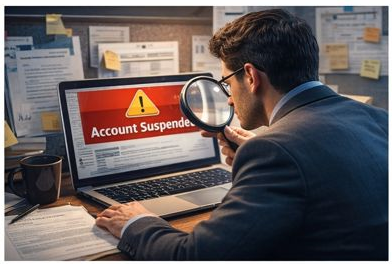
The Timeline: What’s Taking So Long?
The wait is frustrating, I know. Here’s what’s actually happening:
Days 1-2: Your suspension is logged, and if you respond quickly, your POA enters the queue.
Days 3-5: A human reviewer reads your Plan of Action, checks your account history, reviews customer feedback patterns, and cross-references your documentation.
Days 5-10: Amazon verifies your invoices—yes, they actually contact suppliers to confirm authenticity. For certain products, they might even order test buys from your inventory.
Days 10-14: You get reinstated, denied, or asked for more information.
The process drags when documentation raises questions or when investigations uncover deeper issues.
What Investigators Look For
Having worked with hundreds of suspended sellers, I can tell you investigators focus on specific elements:
Root cause analysis – Did you identify the actual problem or just guess? They can tell the difference.
Specific actions – Generic promises like “we’ll improve processes” don’t work. They want concrete steps: “We implemented a three-point inspection checklist, hired a QC specialist, and switched prep centers.”
Evidence – Your words need backup. Invoices should show clear chain of custody. Photos should be timestamped. Training documents should be detailed and dated.
Prevention measures – What’s different now? How will you catch problems before customers do?
Policy understanding – Your POA should show you understand which policy you violated and why it matters.

The Technology Factor
Amazon uses sophisticated tech during investigations. Machine learning algorithms analyze your account patterns and compare them to millions of other sellers. Image recognition software can spot potential counterfeits by comparing your photos to authentic versions in their database. Natural language processing reviews customer complaints for recurring themes.
This technology doesn’t make final decisions, but it arms investigators with powerful data points.
Common Outcomes
Investigations typically end in one of these ways:
Full reinstatement – Your POA was solid, documentation checked out, and you’re back in business with a warning.
Conditional reinstatement – You’re back but with restrictions, like category limitations or required documentation for new listings.
Denial with appeal opportunity – Your POA wasn’t good enough, but you can submit additional information.
Permanent suspension – Reserved for serious violations like prohibited products, repeated inauthenticity, or system manipulation.
The Bottom Line
Despite all the automation, a human being is reading your Plan of Action and making a judgment call. These team members are under pressure but they want sellers to succeed—Amazon needs you. When you provide a thorough, honest, well-documented POA, you make their job easier and give them reason to reinstate you.
Amazon’s investigation process follows logical patterns. Understanding these patterns gives you a real advantage. They’re not your enemy—they’re protecting customer trust. Your job is to prove you understand what went wrong, you’ve fixed it, and you’re committed to their standards.
Take a breath, understand what’s happening behind the scenes, and craft a POA that addresses what investigators actually need to see. With the right approach, reinstatement is absolutely possible.