
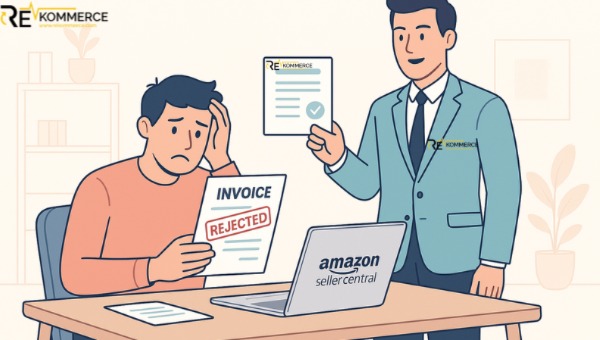
In 2025, wholesale sellers are having a big problem with invoice rejections. Even if the supplier is genuine and trustworthy, Amazon might still reject the invoice. This is because Amazon isn’t just checking if the supplier is real; they’re also looking at how clean and professional the documents are. The days of uploading any old invoice are over. Now, the documents need to show a clear and honest story because Amazon’s verification system is very strict and pays close attention to details.
Why Invoice Rejection Is Rising So Aggressively
Amazon’s compliance team is being very strict about verifying invoices. They don’t want any risk of fake documents. Even if your supplier is real, Amazon needs to be able to verify their information, such as their business registration and domain. If Amazon can’t confirm these details or if your information doesn’t match, the invoice won’t be approved. Amazon wants a clear and transparent supply chain from the brand to the distributor to the seller. If any part of this chain looks suspicious or unclear, Amazon will reject the invoice.
How Amazon Now Evaluates Your Invoice Internally
Amazon checks several things when verifying invoices, including:
- If the business name and address match your account
- If the supplier is legitimate and can be found online
- AI scans for signs of tampering in the document’s formatting, fonts, and metadata
- How clear the chain of custody is (who sold to whom)
- If the product description on the invoice matches your listing
All of this happens quickly, and even a small mistake can cause the invoice to be rejected.
Why AmazonReject an Invoice?
These are some of the red flags Amazon’s system looks out for when verifying invoices.
- Name or address doesn’t match: The invoice has a different name or address than what’s on file in Seller Central.
- Supplier’s domain looks suspicious: The supplier’s website or email domain seems new, weak, or not registered with a reputable organization.
- Invoice looks unprofessional: The formatting is messy or doesn’t look official.
- Poor scan quality: The invoice is blurry, cropped, or hard to read.
- Non-business email: The supplier is using a generic email address (like Gmail or Yahoo) instead of a company email.
- Unrealistic quantities: The quantity of products on the invoice seems too high or unrealistic for that category.
What you can do As A Seller
when your documentation looks clean and professional, it shows that you are a serious business not a flipper or risky reseller. You should take care of following points:
- Clean legal identity alignment
- Professional invoice quality
- A supplier that can be digitally validated
- Product details that match your listing clearly
- No handwriting, no confusion, no edits
In Q4-2025, having good documentation is more important than having a good relationship with your supplier. Amazon only approves invoices that are accurate, transparent, and professionally prepared. The invoice needs to show that you’re following business rules, not just casually sourcing products. Even if your supplier is authorized, if your documents aren’t up to par, you’ll likely face repeated rejections.
If your invoices keep getting rejected or your account is stuck in authenticity review, professional team of Rekommerce can guide you properly on documentation alignment, supplier selection strategy and reactivation support to get you back into safe selling.